Account
Your personal crypto wallet holding keys, funds, and Web3 identity.
What is an account?
In crypto, an account is your personal gateway to blockchain applications. It typically includes a wallet address that lets you hold tokens like DOT, sign transactions, and interact with decentralized applications (dapps). Accounts are used across blockchains like Polkadot, Ethereum, and Solana.
Each account is secured by a private key that only you control. This lets you take actions on the blockchain, like voting on governance proposals or transferring tokens, without needing a central intermediary.
How does a crypto account work?
When you create a crypto account, you generate a pair of cryptographic keys: a public address (what others can see and send tokens to) and a private key (used to prove ownership and authorize actions).
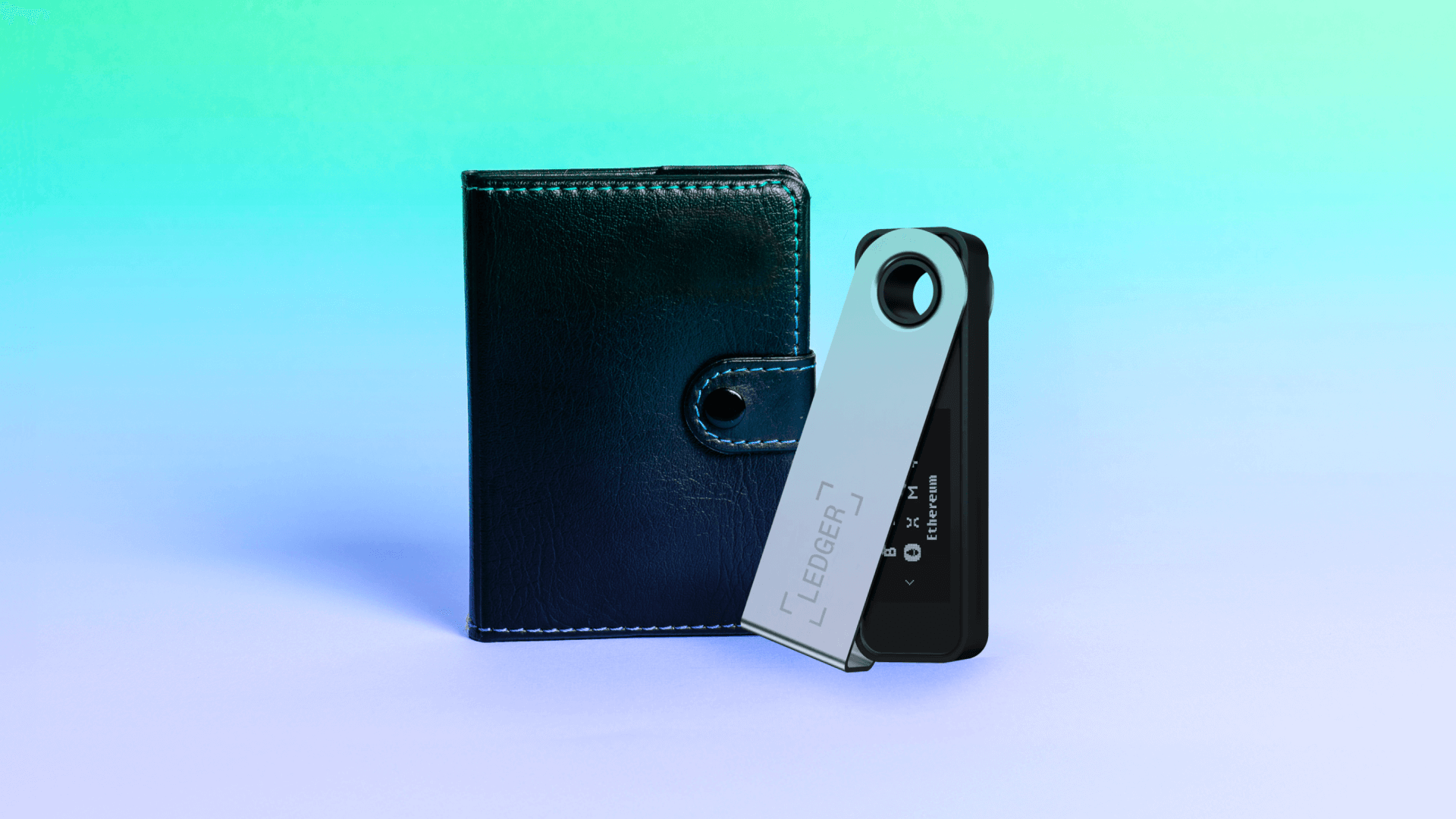
Accounts are often managed through wallet apps like MetaMask, Talisman, or Ledger. On Polkadot, accounts are used to participate in the Polkadot DAO, stake DOT, and other cross-chain activity.
What can you do with a crypto account?
Crypto accounts are foundational to self-custody and digital sovereignty. They let you interact directly with Polkadot and other decentralized networks without giving up control of your data or assets.
Accounts help enable the Web3 philosophy of true user ownership, interoperability, and censorship resistance. In the Polkadot ecosystem, one account can be used across multiple connected rollups (i.e., parachains) and applications.
With a crypto account, you can:
- Sign and send transactions
- Manage your portfolio: DOT, other cryptocurrencies, and NFTs
- Stake tokens or join nomination pools
- Vote in onchain governance
- Participate in DAOs
- Link to reputation systems or credentials
- Use decentralized identity features
- Access dapps across Polkadot and beyond