

Understanding Polkadot’s Web3 philosophy
The internet was supposed to set us free. Instead, it became a battleground of control, surveillance, data harvesting, and monopolized platforms. But the story isn’t over. Polkadot carries forward a revolution decades in the making that began with the earliest personal computers—one where power returns to the people.
What is Web3?
Web3 represents a revolutionary shift in how we experience the internet—transforming it from a space controlled by tech giants into a decentralized ecosystem where users hold true power. Built on blockchain, it fundamentally changes how we own, interact with, and control our digital lives.

Your keys, your control
Cryptographic keys give you full ownership of your assets and identity—no intermediaries needed.

Code is law
Trust is replaced by transparent, verifiable code. Anyone can inspect the rules; no one can change them without consensus.
No single point of failure
Web3 runs on thousands of independent computers running nodes, making it resilient, open, and censorship-resistant.
Web3's roots run deep
The Whole Earth Catalog

1968
A DIY magazine with the motto "Access to Tools" that empowered individuals to shape their own environment
The People's Computer Company
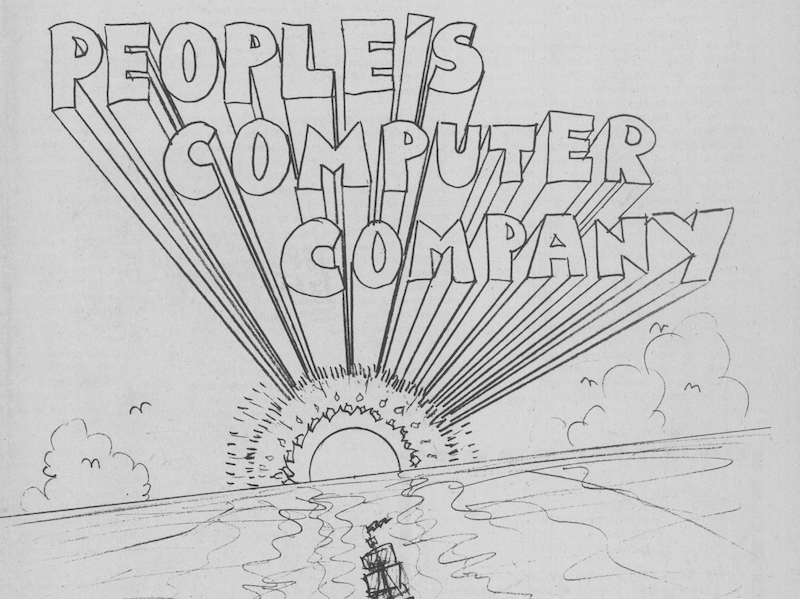
1972
Warning that "Computers are mostly used against people instead of for people; used to control people instead of to free them"
Homebrew Computer Club

1975
Where Steve Jobs and Steve Wozniak built the first Apple computer among hackers who believed personal computing could change the world.
The Hacker Ethic and Free Software movements
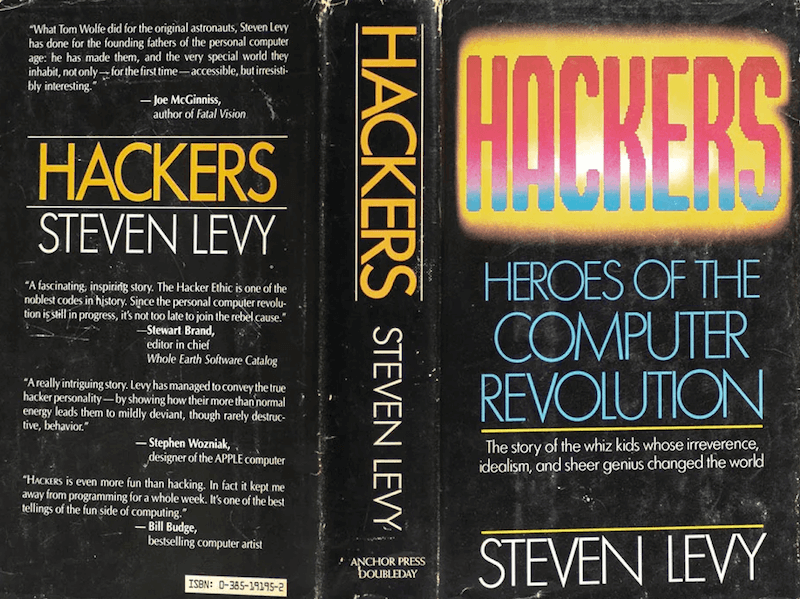
1980 - 1990s
Championing transparent code and community control over technology
Macintosh Launch

1984
Apple's iconic ad positioned technology as a liberator, not a controller
Web1
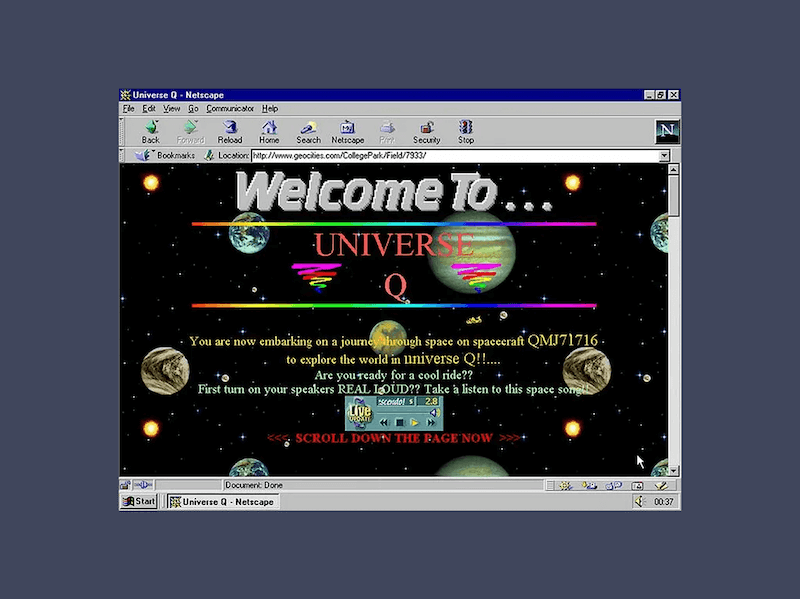
1989 - 2004
The early, open internet: decentralized, static websites, and open protocols
Cypherpunk Manifesto
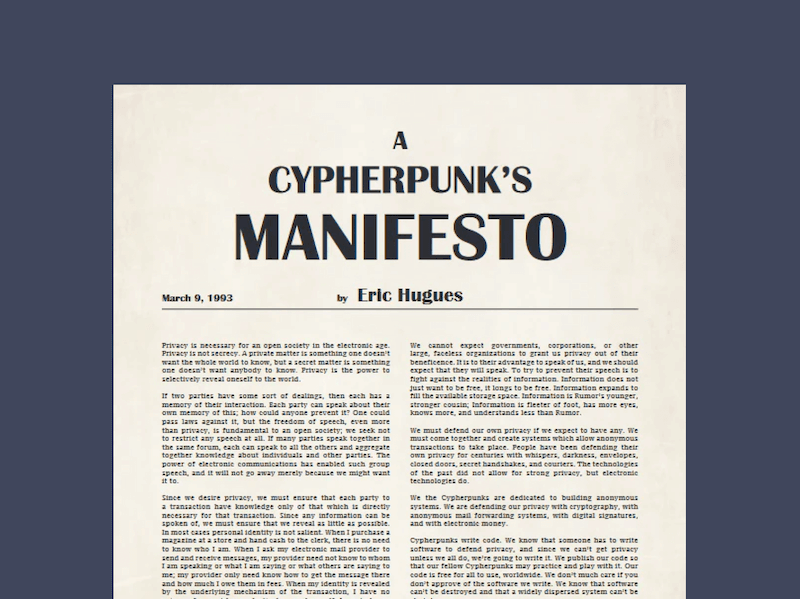
1993
Established that "Privacy is necessary for an open society"
Bitcoin
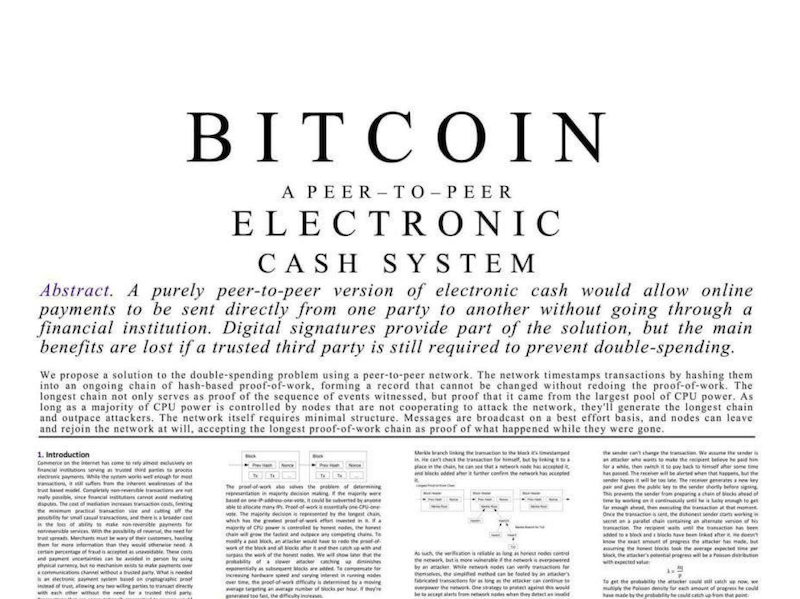
2008
Created a decentralized alternative to traditional financial systems
Dr. Gavin Wood coins "Web3"
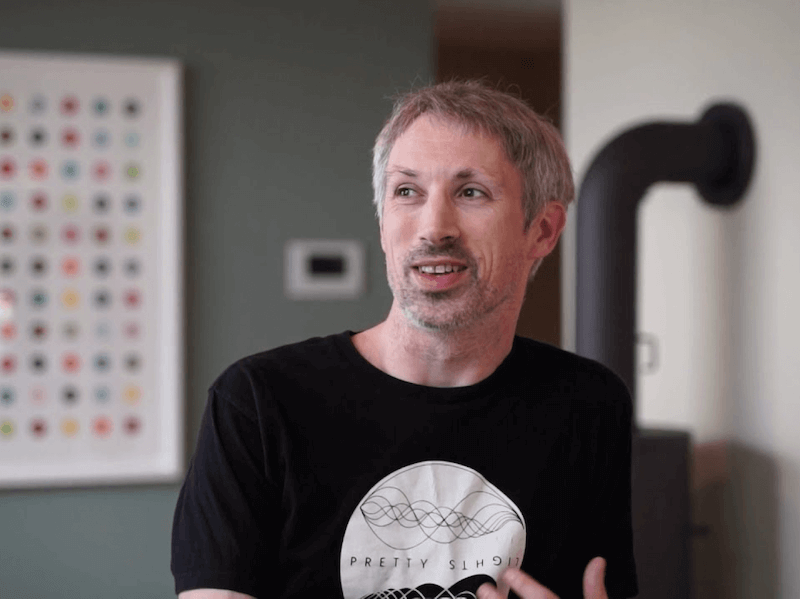
2014
Articulating a vision of an internet where individuals control their data, identity, and destiny
Polkadot is born
2020
Gavin Wood releases the whitepaper, and the mainnet goes live–laying the foundation for a multichain, user-controlled web
Polkadot's OpenGov debuts

2022
Launching the first ever fully onchain decentralized governance system
JAM Gray Paper released

2024
Proposing a next-generation architecture that extends Polkadot’s capabilities into a more open, modular, and composable system
The birth of Web3
While Gavin Wood coined the term "Web3" in 2014, its philosophical foundation had been forming for decades. Web3 isn't simply a response to Web2's problems—it brings together cypherpunk ideals of privacy, the open-source ethos of free software, and the resilience of blockchain technology into a single vision.


"As we move into the future, we find increasing need for a zero-trust interaction system... entrusting our information to organisations in general is a fundamentally broken model."
Gavin Wood, Founder of Polkadot, Co-Founder of Ethereum, and creator of Solidity
Polkadot: Web3's foundation
Polkadot was designed from the ground up to fulfill Web3’s promise. Created by Ethereum founder and Solidity creator Gavin Wood, it overcomes the limitations of earlier blockchains to build an internet infrastructure that allows decentralized applications and communities to thrive—securely, efficiently, and without compromise.

Web3, IRL
Web3 isn’t just a vision. It’s reshaping how we organize, collaborate, and create value in the real world.

Decentralized finance (DeFi)

Decentralized AI (DeAI)

Real-world assets (RWA)

Decentralized autonomous organizations (DAOs)

Decentralized social

Play-to-own gaming
Decentralized identity (DIDs)
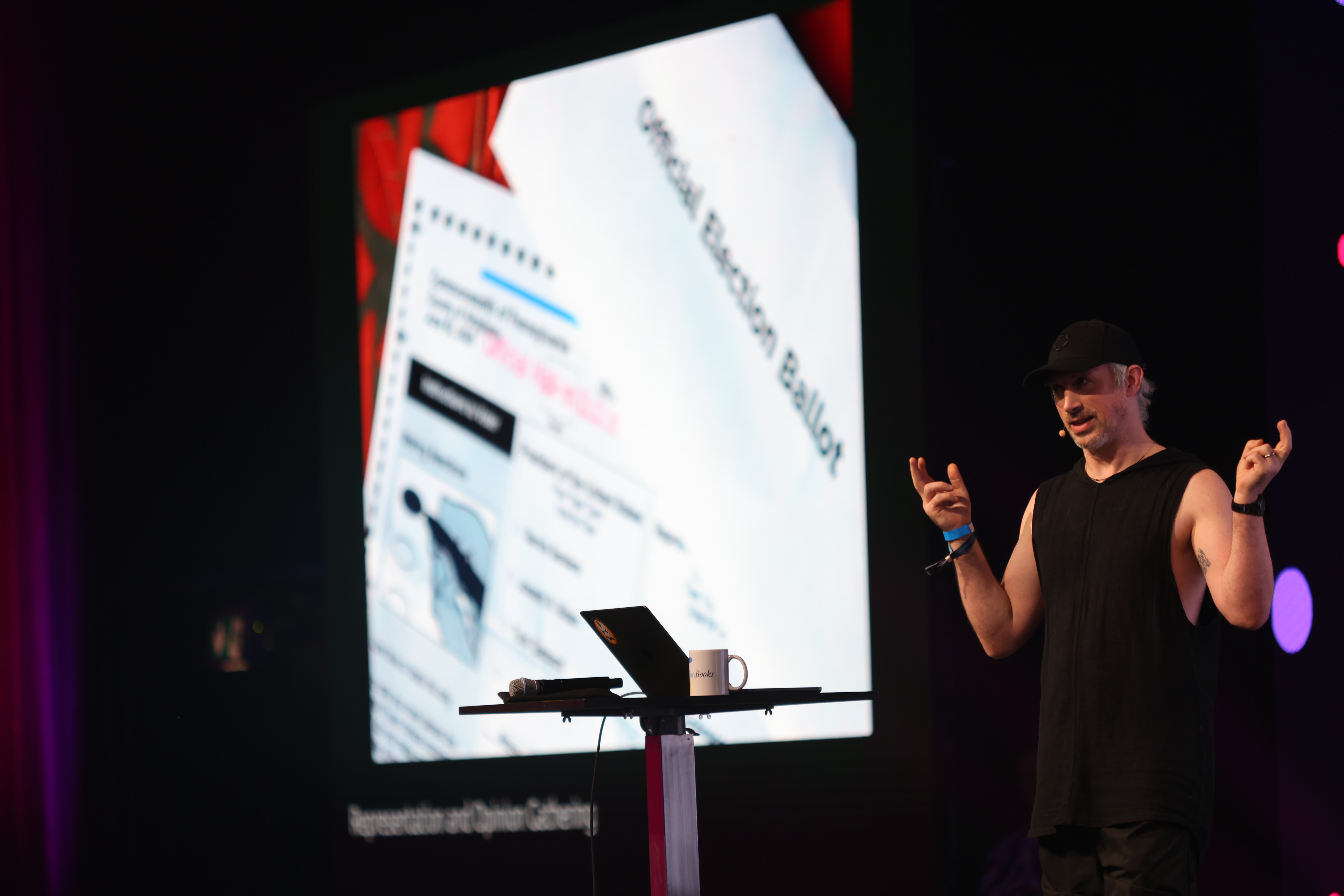
Gavin Wood, the Founder of Polkadot
Dr. Gavin Wood is a computer scientist, Free-Trust Technologist, and founder of Polkadot, Kusama, Ethereum, Parity Technologies, and the Web3 Foundation. He played a foundational role in Ethereum’s early development, serving as Chief Technology Officer, creating Solidity, and authoring the Ethereum Yellow Paper, the formal specification of the Ethereum Virtual Machine. His work laid the foundation for the Web3 movement and continues to influence how developers approach privacy, sovereignty, and interoperability in the digital world.
The values that drive Web3
Web3 is built on principles, not hype. It’s about a free, open, and user-controlled internet, continuing the revolution that began with personal computing.

Digital sovereignty
Users own and control their data and digital identities.

Transparent governance
Community-driven decision-making replaces corporate monopolies.

A fairer economic model
Peer-to-peer transactions reduce costs and increase efficiency by eliminating unnecessary middlemen.

Privacy as a human right
Cryptographic tools that protect individual freedom online, as envisioned by the Cypherpunks.
Tech that serves people
Computing should liberate, not control—just as the early personal computing pioneers believed.
The next chapter in digital liberation
Web3 continues the work of earlier pioneers—reclaiming control of the tools we depend on. As personal computing brought hardware into people’s hands, Polkadot is doing the same with the internet’s infrastructure.

From hardware to computing infrastructure
Web3 is making the entire internet's infrastructure accessible and participatory to everyone.

A supercomputer for all
Polkadot is building what can be seen as a global supercomputer owned by its users, not corporations or governments.

Long-term vision
Built not for hype cycles, but for a digital future that will fundamentally transform how humans interact with technology.
Web3 brain gains
Learn about the key concepts of Web3.



FAQs

Join the Web3 movement with Polkadot
Polkadot is at the forefront of building a freer, fairer internet. Be part of the revolution.