Five New Parachains, Staking Growth & Technical Upgrades as Expansion Continues
Polkadot enjoyed further ecosystem growth in the third quarter of 2023, with impressive metrics around staking, on-chain events and unique accounts.
 By Oliver Brett•October 6, 2023
Polkadot enjoyed further ecosystem growth in the third quarter of 2023, reporting impressive metrics around native staking, on-chain events and unique accounts. As ever, development activity across GitHub repositories also remains high.
Five parachain slots were acquired by new teams, representing diverse Web3 use cases such as DAOs, the metaverse, IoT, and sustainable energy. Major proposed technical upgrades - including agile coretime and asynchronous backing - came closer to fruition - and other major news included the arrival of native USDC.
Polkadot’s Growth in Statistics
Polkadot’s staking metrics were extremely positive through Q3. The total volume of staked DOT rose quarter-on-quarter from 578m DOT to 663m DOT, as the percentage of total DOT supply staked moved just shy of 49% (close to the current ideal staking rate of 52.5%).
Nomination pools help those users who do not have enough DOT to nominate their own validators and those who want a more passive staking experience - and these remain a striking success story. Having only been launched in November 2022, nomination pools ended Q3 boasting 15,281 members with more than 7m DOT staked.
The relentless growth of the Polkadot ecosystem has resulted in an impressive spike in two important metrics:
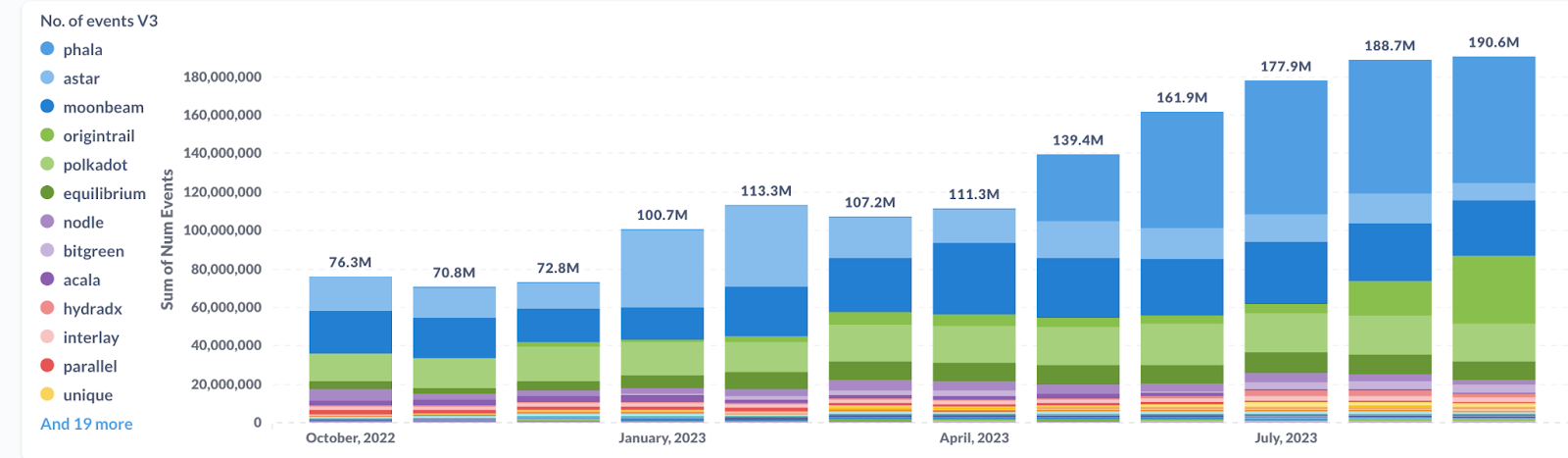
- On-chain events. This number charts every recordable on-chain event across all of Polkadot’s parachains, and includes such things as successful submission of transfers, participation in governance, staking events, and the completion of a smart contract. The chart above clearly shows how this number has grown every month since March, reaching in excess of 190m events, more than two and a half times where it was in December 2022.
- Unique accounts. Judged by all public key addresses in the ecosystem, this number hit a new high of just under 4.3m in September, up every month since January and now up 10% on the quarter and 16% since the start of the year.
Development activity remains strong: for the second quarter in succession, Polkadot repositories recorded more than 49,000 GitHub commits. This figure continues to be higher than any other Web3 project, according to data supplied by Santiment.
There was also an impressive quarter-on-quarter 20% rise in XCM messages sent, demonstrating an increase of cross-chain activity across the ecosystem. XCM is the cross-consensus messaging protocol which underpins interoperability both within Polkadot and ultimately with other ecosystems via bridges.
Rapid ecosystem expansion
A high cadence of parachain auctions resulted in a high number of new projects joining the ecosystem. In order, they were:
peaq, which enables people to build Decentralized Physical Infrastructure Networks (#DePIN), giving incentives to communities to connect hardware devices.
Bit.Country, a platform for user-created metaverses, allowing users to launch their own metaverse in 12 seconds, and streamlining the creation process with a library of existing content.
Multichain DAO infrastructure project InvArch, which features a dynamic multisig solution capable of servicing the entire Polkadot ecosystem.
Energy Web, which uses Web3 technology to help major names like Shell, Vodafone, and Volkswagen to accelerate their decarbonization strategies.
Nodle, a connectivity provider for the Internet of Things, building a network powered by Bluetooth low energy to help companies and cities connect.
Also in Q3, Astar Network renewed its parachain slot, ensuring its long-term future within Polkadot once its existing lease expires.
Technical upgrades
The Fellowship, Polkadot's decentralized technical advisory body, gave its approval for the development of a dedicated system chain for purchasing and trading future blockspace on Polkadot.
In essence, this means a periodic, sale-based method for assigning Polkadot coretime - part of a proposed upgrade known as “Agile Coretime” - has moved a step closer.
First proposed by Polkadot founder Gavin Wood at the Polkadot Decoded conference in June, Agile Coretime lays out new, more flexible ways for Web3 projects to access Polkadot's computing power - no matter what their size, scope, or stage of growth is.
Polkadot is shifting away from a chain-centric model to an application-centric model, with utility similar to cloud computing services that efficiently allocate server space based on demand. Agile Coretime, now greenlit for further development, will still need to be approved by Polkadot governance before it can take effect.
A few weeks later, attendees at sub0, the Polkadot developer conference, heard some exciting updates surrounding asynchronous backing, a process that streamlines the parachain block generation and validation process.
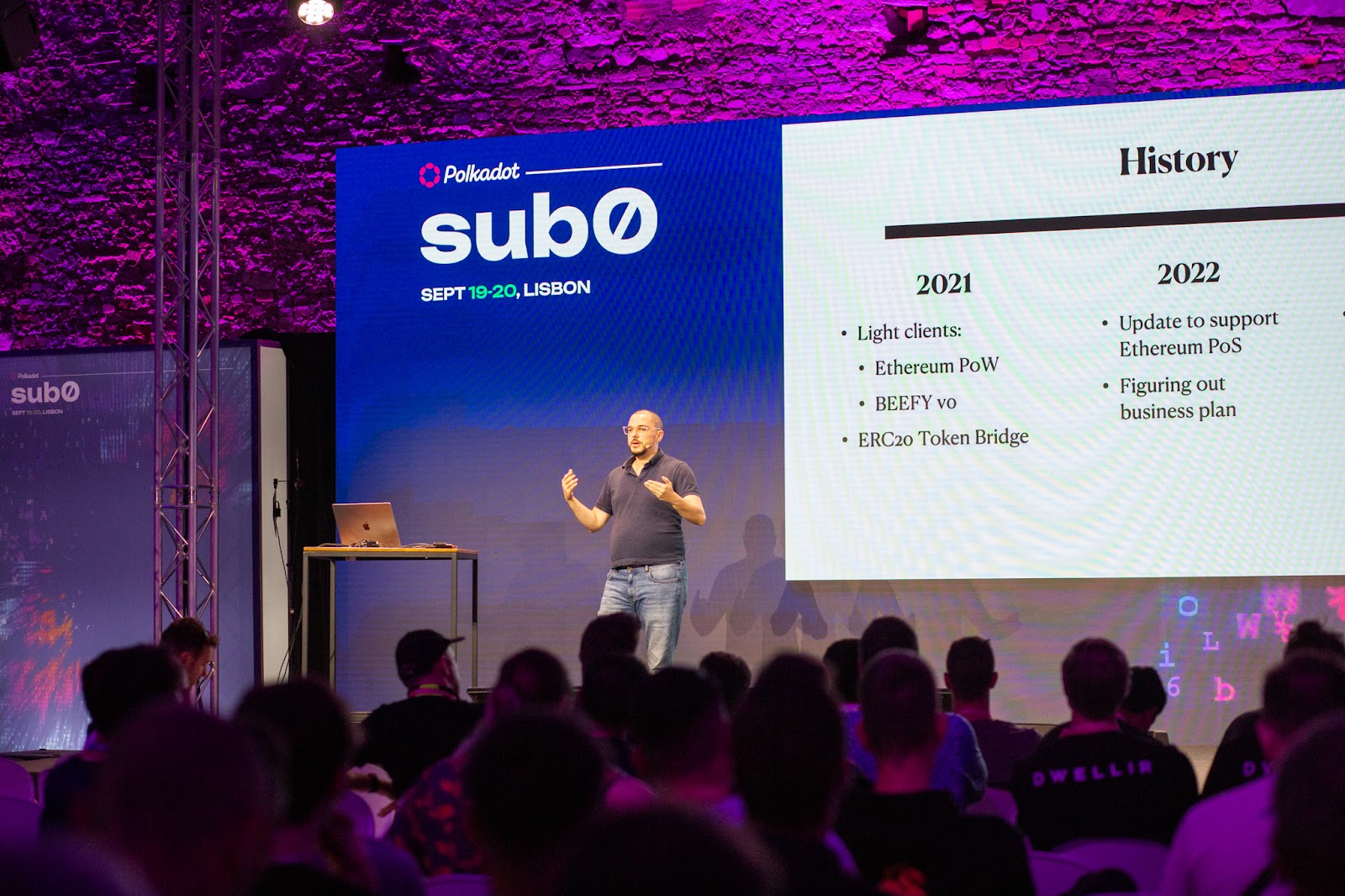
This upgrade, which could bring an eight-fold increase to Polkadot’s scalability, is expected to be rolled out on the testnet Rococo soon. Async Backing also acts as a catalyst for a number of additional upgrades, including Agile Coretime.
In time, async backing and other upgrades are projected to enable 1,000+ parachains and 1M+ transactions per second, ensuring Polkadot is ready for a future of Web3 mass adoption.
News highlights from Q3
Circle began the process of launching native USDC in the Polkadot ecosystem, eliminating the need to use bridged versions of the stablecoin. This means native USDC is available to all parachains and dapps in the ecosystem.
Zodia Custody, a leading digital asset custodian whose shareholders include Standard Chartered, SBI Holdings and Northern Trust, announced institutional custody and staking services on Polkadot.
On/off ramp provider Banxa is helping onboard users into the Astar parachain with diverse payment options as it works towards a full-scale ecosystem integration with Polkadot.
Snowbridge, a bridge to Ethereum, is expected to launch on Kusama, Polkadot’s canary network, later this year.
Zondax announced a new Polkadot Ledger app that will support any parachain in the network, rather than needing a separate app for each parachain.
OpenZeppelin, a security and auditing specialist, has completed its first batch of work to ease the development of Polkadot’s native ink! smart contracts. This includes the creation of easily implementable and extensible smart contract standards and translating Solidity contracts into ink!.
Polkadot Blockchain Academy wave 3 concluded at UC Berkeley, California, where a new entrepreneur-focused Founders Track was introduced. Waves 4 and 5 will visit Hong Kong and Singapore respectively, in January and May 2024.