How play-to-earn (P2E) is transforming onchain mobile sports gaming
Play-to-earn games are transforming mobile sports gaming. Learn how blockchain, NFTs, and platforms like Polkadot create new opportunities for digital asset ownership and cross-chain gameplay.
 By Meesh Nguyen•October 4, 2024
What's the deal with play-to-earn?
Play-to-earn (P2E) games have redefined the gaming landscape by allowing players to earn real-world value through in-game assets such as NFTs (non-fungible tokens) and cryptocurrencies. Unlike traditional games, where in-game items remain locked within the game's ecosystem, P2E games allow players to own, trade, and sell their digital assets on blockchain-based marketplaces. This model enhances player engagement while unlocking financial and social incentives for players. Read more about how this evolution is shaping the future of gaming in 'From Play-to-Earn to Play-to-Own’ blog.
How does play-to-earn work?
In P2E games, players can earn digital assets by engaging in in-game mechanics like completing tasks, leveling up characters, participating in battles, and more. These digital assets, stored onchain in crypto wallets can be traded on decentralized marketplaces. With the rise of blockchain technology and the growth of the GameFi sector, which merges gaming with finance, has cultivated a vibrant P2E community, particularly in mobile gaming.
Mobile gaming platforms offer a perfect ecosystem for P2E, enabling users to engage with these games at their convenience without being bound to a stationary console or computer. The P2E mobile gaming space is evolving, with players increasingly looking for experiences that offer both entertainment value and tangible benefits for their time and skill investment.
How does blockchain play a role in play-to-earn mobile gaming?
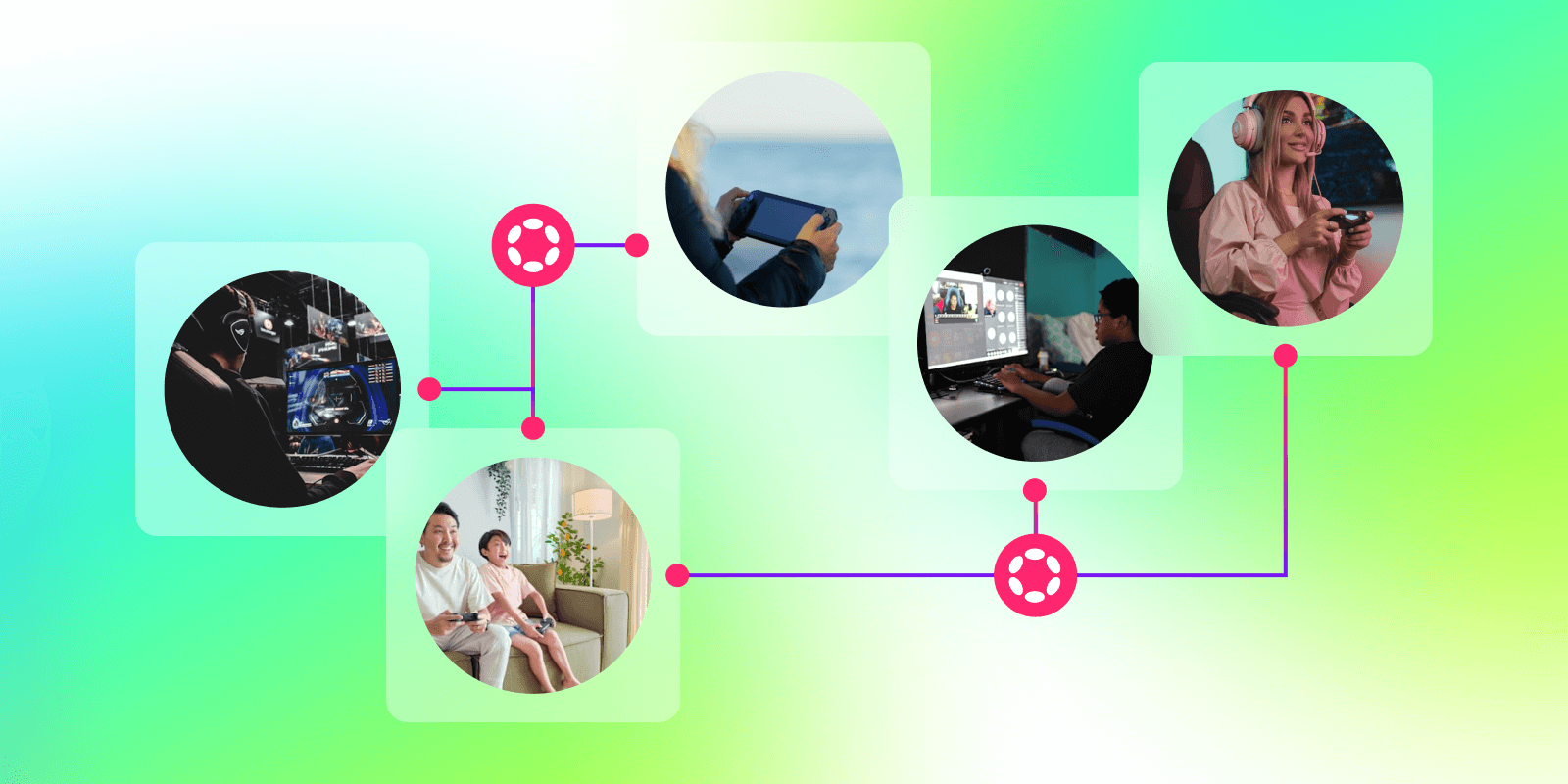
Blockchain technology forms the foundation of the play-to-earn model, offering enhanced security, transparency, and verifiable ownership of digital assets. In traditional mobile games, items such as skins, characters, or upgrades are typically confined within the game's ecosystem. However, with blockchain integration, these assets can be represented as NFTs or tokens and stored onchain. This allows players to buy, sell, or trade their assets in open, decentralized markets, potentially extending their utility beyond a single-game environment.
Cross-chain interoperability: The Polkadot advantage
Blockchain platforms like Polkadot offer cross-chain interoperability, enabling digital assets such as NFTs or tokens to be transferred between different blockchain ecosystems. Cross-chain functionality could potentially allow mobile gamers to use their assets across various games, enhancing their utility.
In the case of NFL Rivals, players can earn player NFTs that are designed to be transferable or tradeable on compatible marketplaces. Polkadot's modular architecture makes it possible to expand the in-game economy beyond a single platform, creating a more flexible and dynamic gaming experience.
NFL Rivals: Play-to-earn meets mobile football gaming

In the realm of mobile sports gaming, NFL Rivals stands out as one of the most exciting examples of how blockchain and play-to-earn mechanics can enhance traditional sports games. Developed by Mythical Games and powered by Polkadot, NFL Rivals offers players a unique mobile football experience where they can manage teams, earn player NFTs, and trade them in real-time on the Mythos Chain.
A football experience for mobile gamers
NFL Rivals simplifies football into quick, mobile-friendly matches, making it accessible to casual gamers while still appealing to football fans. The game allows players to collect and trade NFL player NFTs, which can be bought, sold, or exchanged on secondary marketplaces. This feature combines football gaming with blockchain technology, offering players both entertainment and digital asset ownership.
Built using Polkadot, NFL Rivals aims to create an in-game economy that is secure, transparent, and scalable. Players can experience the excitement of managing their favorite NFL teams while potentially benefiting from the play-to-earn model enabled by blockchain technology.
The evolution of blockchain mobile sports gaming
Mobile sports gaming is entering a new era, driven by the integration of blockchain technology and play-to-earn models. At the forefront of this shift, games like NFL Rivals reimagine how players engage with their favorite sports. By incorporating blockchain and NFTs, these games are creating an ecosystem that offers players verifiable ownership and the ability to trade their in-game digital assets. The emerging concept of cross-chain interoperability further enhances the utility of these digital assets, potentially enabling mobile gaming economies to expand across various platforms.
As the gaming landscape continues to evolve, the use of blockchain technology may become more prevalent in both mobile and sports gaming. This shift could open up new opportunities for even more immersive player engagement and more creative uses for digital asset ownership.
Pioneering the next generation of blockchain-based gaming
Blockchain networks like Polkadot are well-positioned to support this gaming revolution. By providing a foundation for seamless cross-chain asset transfers and flexible, cost-efficient blockspace, Polkadot already enables developers to create more dynamic and interconnected gaming experiences. As games built on Polkadot continue to launch and grow, gamers can potentially see increased asset liquidity, smoother cross-game interactions, and new forms of onchain gameplay.