Dynamic & Modular: Scaling Ambition with Agile Coretime
Polkadot’s Agile Coretime simplifies launching and scaling blockchain projects with dynamic blockspace allocation and flexible cost options. Learn how Agile Coretime makes it easier to build, launch, and scale ambitious Web3 projects.
 By Jen Wheatley•October 22, 2024
Polkadot just made it orders of magnitude easier to launch and scale projects with the introduction of Agile Coretime. As part of the Polkadot 2.0 upgrade, Agile Coretime offers projects unmatched flexibility to build, grow, and scale efficiently. Combined with the highly customizable Polkadot SDK and the robust infrastructure of the Polkadot Chain, teams of all sizes can get to market quickly with predictable costs and unparalleled scalability.
Agile Coretime: unleashing dynamic scalability
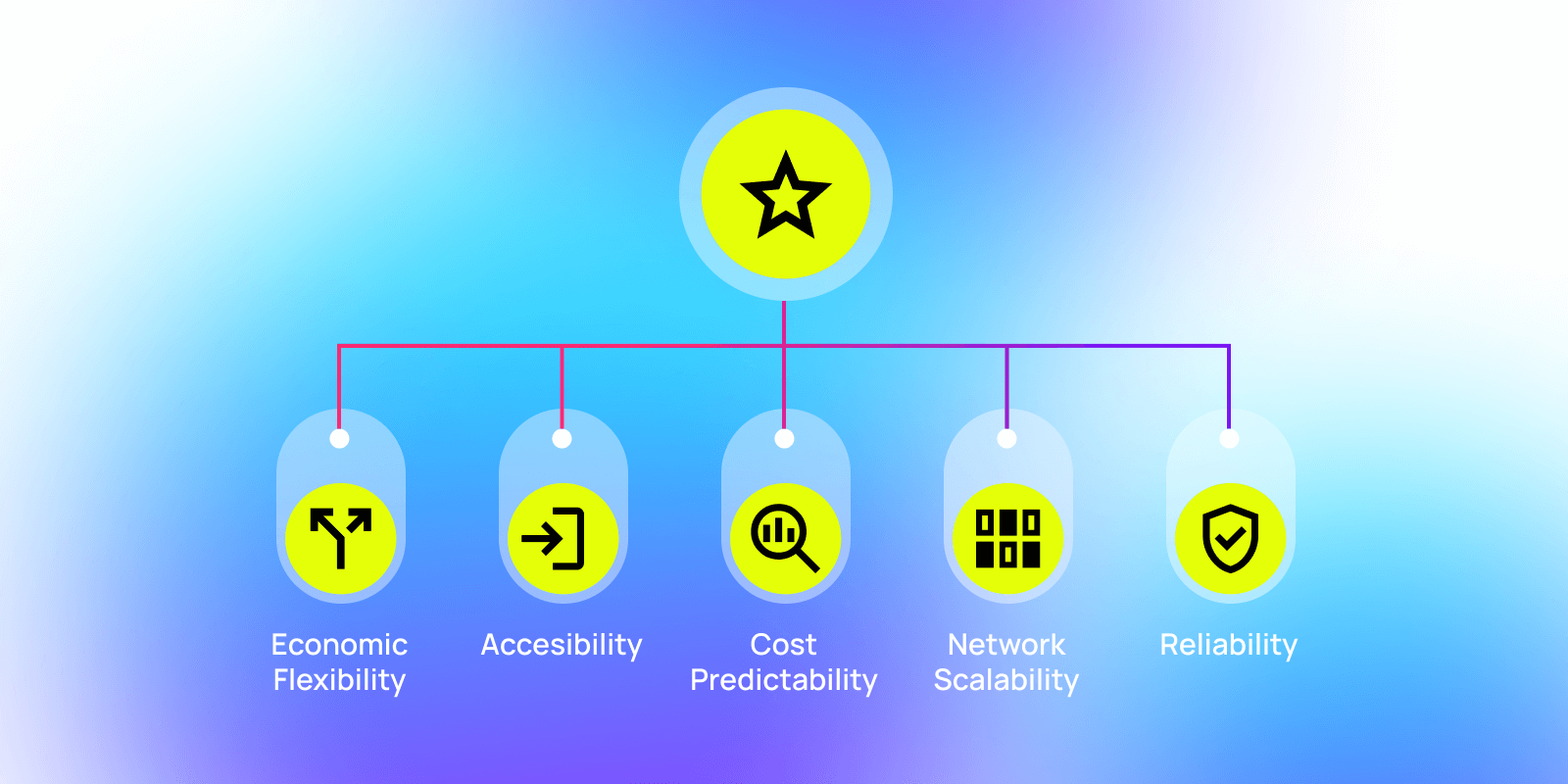
Agile Coretime enables projects to build with greater economic flexibility and accessibility, reducing the traditional barriers to entry that have made launching new blockchain projects complex and cost-prohibitive. This feature ensures economic flexibility, cost predictability, network scalability, and reliability—making Polkadot the ideal platform for developers seeking to scale without constraints.
The introduction of Agile Coretime transforms Polkadot into an ecosystem that allocates blockspace based on real-time demand. Replacing the traditional auction-based lease model, Agile Coretime introduces a flexible system that allows projects to acquire blockspace as needed, scaling up or down based on their requirements. This flexibility helps teams optimize costs, manage resources more effectively, and access the blockspace they need when they need it.
Flexible blockspace purchasing options
Agile Coretime offers two purchasing options:
- On-Demand Coretime: Ideal for new projects or those with fluctuating resource needs, providing short-term access to Polkadot’s powerful blockspace without long-term commitments or high upfront costs.
- Bulk Coretime: Perfect for projects with more predictable requirements, allowing teams to lock in resources at a fixed price, providing stability during periods of high network demand.
Agile Coretime is the only solution in the market that allows for bulk purchasing of blockspace, giving users predictable, stable costs. Other networks rely on fee structures, exposing projects to fluctuating market prices.
Additionally, coretime can be traded on secondary markets like Lastic and RegionX, enabling teams to buy or sell excess coretime as their needs change. This provides projects with a way to monetize unused resources, avoid over-commitment, and ensure they have the right amount of blockspace at all times.
Why Agile Coretime is a game-changer for new projects
Agile Coretime transforms how developers and build and scale on Polkadot. Here are the top five reasons why it's easier to develop and launch projects with Agile Coretime:
- Increased Economic Flexibility - Agile Coretime allows projects to purchase blockspace as needed, reducing the risk of over-commitment. Teams can choose between on-demand access or long-term bulk commitments, optimizing expenses and resource management.
- Accessibility & Low Barrier to Entry - On-demand coretime empowers new teams and startups to launch and iterate quickly, allowing proof-of-concept initiatives to access blockspace and get to market fast without large upfront investments.
- Cost Predictability - With the bulk coretime option, teams can lock in prices for blockspace over a set period, shielding themselves from market volatility and unexpected price spikes. This stability is crucial for budgeting and long-term planning.
- Scalability Through Optimized Resource Allocation - Agile Coretime allocates resources based on real-time demand, enabling projects to scale up or down without performance bottlenecks. Teams can also trade coretime on secondary markets, maximizing resource utilization and controlling costs.
- Reliability: No More Running Out of Blockspace or Exploding Gas Fees - Unlike other blockchains, where congestion can lead to skyrocketing transaction costs, Polkadot’s Agile Coretime ensures consistent access to resources and stable costs. This allows developers to build confidently, knowing their projects won’t be disrupted by unexpected limitations or surging fees.
Paving the way for Polkadot 2.0
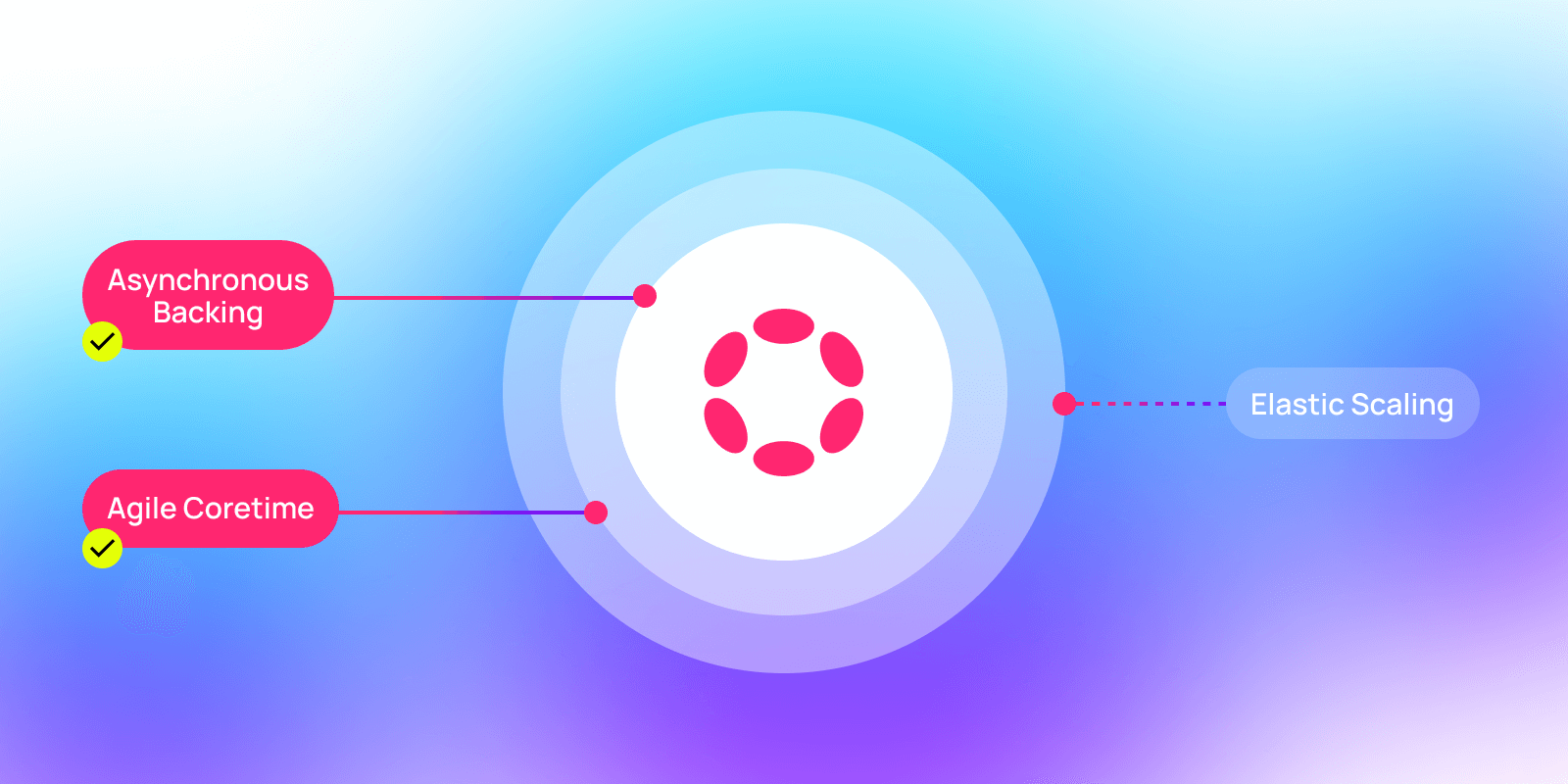
Agile Coretime is a cornerstone of the broader Polkadot 2.0 vision, which includes key upgrades like Asynchronous Backing and the upcoming Elastic Scaling feature. These enhancements lay the foundation for Polkadot to meet the diverse needs of next generation decentralization applications (dApps), including decentralized finance (DeFi), real-world asset (RWA) integration, GameFi, and decentralized governance solutions.
As Polkadot continues to evolve, Agile Coretime and the Polkadot SDK will serve as essential building blocks for future growth, empowering developers to experiment, launch, and scale projects with reduced complexity.
Built for ambitious projects
Agile Coretime is now live, making Polkadot the ideal platform for projects looking to scale quickly and cost-effectively. With Polkadot’s dynamic resource management and modular development approach, projects can scale resources up or down as needed—similar to the cloud-like experience of Amazon Web Services (AWS)—while benefiting from shared security and cross-chain interoperability.
Ready to scale your Web3 ambitions? From experimenting with new ideas to expanding global applications, Polkadot provides the infrastructure, community support, funding paths, and decentralized governance to help your project succeed.
Explore Agile Coretime and the Polkadot SDK today, and unlock the full potential of your project.