What is a crypto wallet? Your all-access pass to the future web
In Web3, your wallet is your most valuable digital tool. It’s more than just a place to store, send, and receive cryptocurrencies securely—it’s your passport to the decentralized world.
 By Polkadot•September 18, 2024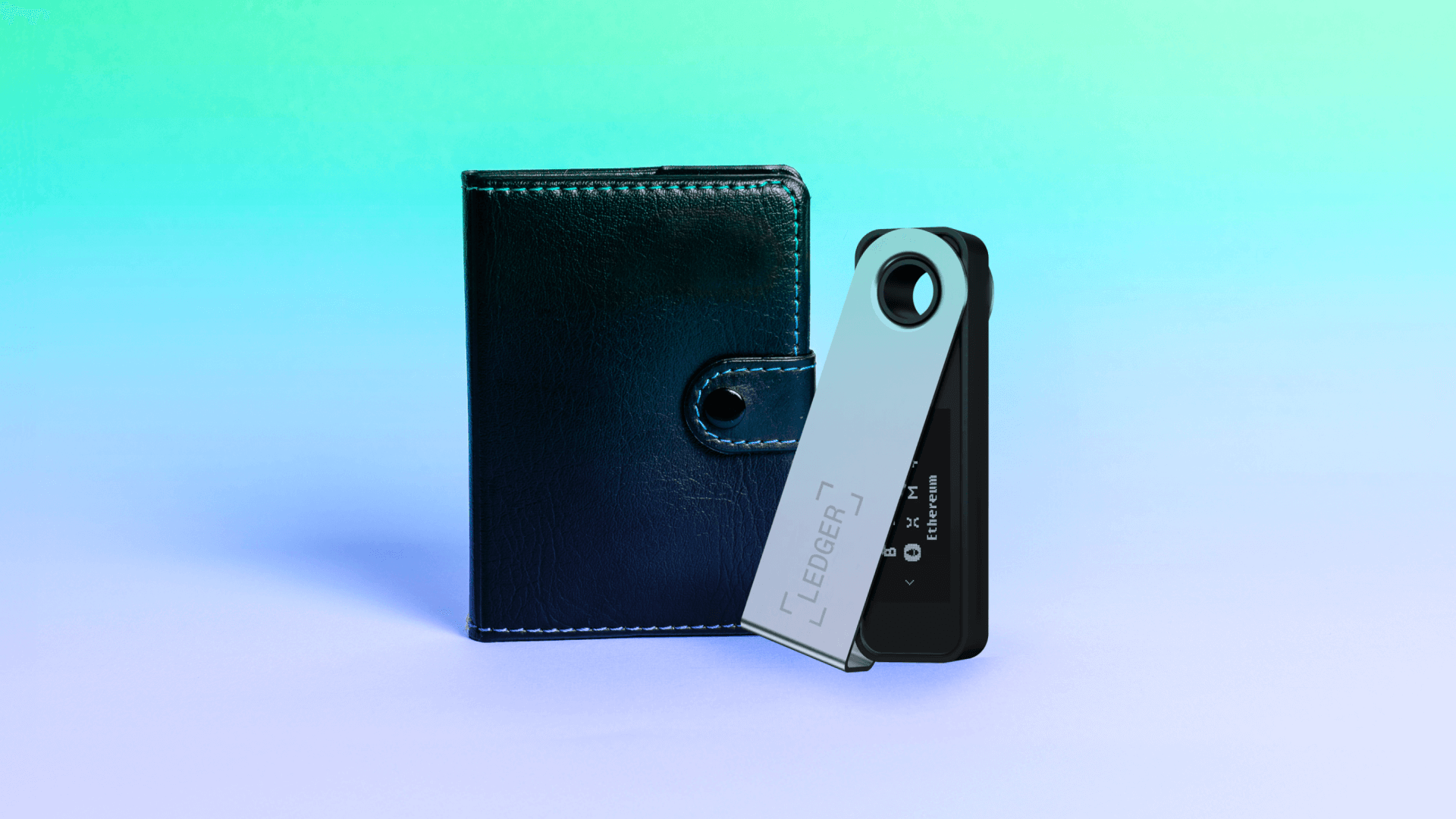
In the Web2 world, you pay with your personal data for the "free" services you use. Whether it's surfing the web, using social networks, or downloading apps, big companies control your information—and it’s easy for your data to be exposed or hacked.
But Web3 is different. It puts digital ownership directly in your hands.
In Web3, your wallet is your most valuable digital tool. It’s more than just a place to store, send, and receive cryptocurrencies securely—it’s your gateway to interacting with blockchain and the decentralized ecosystem. A crypto wallet gives you control over your onchain digital assets, allowing you to manage your identity, interact with decentralized applications (dapps), and take charge of your online interactions—all without giving up control to a third party.
Think of a crypto wallet (aka blockchain wallet) as your personal keychain, holding both public and private keys. The public key is like your address—anyone can use it to send you crypto. The private key is your secret password that allows you to access and manage your funds. Only you should know this private key, as it gives whoever has it full control over your wallet and assets.
Custodial vs. non-custodial wallets
When choosing a crypto wallet, understanding the difference between custodial and non-custodial wallets is crucial.
- Custodial Wallets: With a custodial wallet, a third party (usually a cryptocurrency exchange or service provider) holds your private keys and manages your funds on your behalf. This can be convenient because you don't have to worry about managing private keys or recovering your account. However, the downside is that you rely on someone else to keep your assets safe. If the service provider gets hacked or goes offline, you could lose access to your funds.
- Non-Custodial Wallets: A non-custodial wallet puts you in complete control of your private keys and assets. You’re responsible for keeping your private key (and seed phrase) secure, but it ensures that only you have access to your crypto and identity. Non-custodial wallets reflect the true spirit of Web3—where ownership and control rest solely with you.
Seed phrases: why they matter
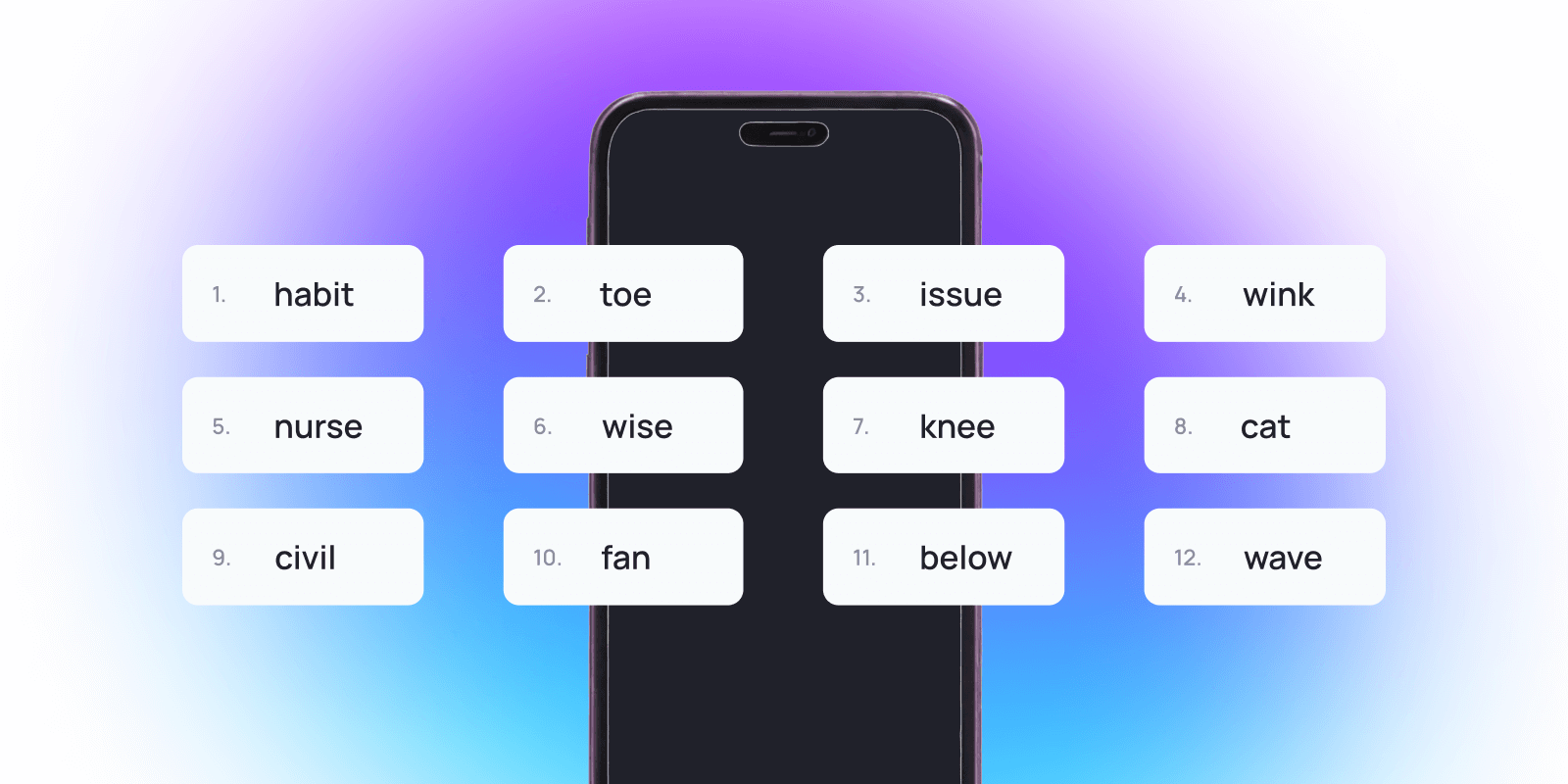
In non-custodial wallets, you’ll encounter something called a seed phrase—a series of random words generated when you create your wallet. The seed phrase acts as a backup for your wallet. If you lose access to your device or your account, you can use this phrase to restore it. Storing your seed phrase securely (and offline) is critical. If someone else gets hold of your seed phrase, they can gain access to your wallet and everything on it. So, treat it like the keys to your digital kingdom–never share it, and store it safely.
Hot Wallets vs. Cold Wallets
Crypto wallets can also be classified as hot or cold, depending on how they're connected to the internet.
- Hot Wallets: These are wallets connected to the internet, making them more convenient for day-to-day transactions and easy access. Hot wallets come in various forms—mobile apps, desktop programs, or browser extensions—that let you manage your assets with ease. While hot wallets are highly accessible, they’re also more vulnerable to hacking attempts and online threats.
- Cold Wallets: Cold wallets, by contrast, are offline, making them more secure from online threats. These are typically hardware wallets (like Ledger) that store your private keys offline, safe from hackers. While cold wallets are ideal for long-term storage of larger amounts of crypto, they are less convenient for frequent transactions. Cold wallets are like the ultimate safe for your digital assets, making them ideal for long-term storage of high-value assets.
Why Do You Need a Crypto Wallet?
So why do you need a crypto wallet? It’s simple. A crypto wallet is your passport to Web3, including Polkadot’s vibrant ecosystem. Whether you're holding cryptocurrencies, interacting with dApps, or securing your identity, a wallet is essential for managing your digital life in the decentralized world.
With a crypto wallet, you can:
- Securely hold and stake DOT (Polkadot’s native token) and other cryptocurrencies to earn rewards.
- Send and receive assets globally in seconds, without intermediaries.
- Explore dapps on Polkadot and other blockchain ecosystems.
- Participate in the Polkadot DAO, voting on key decisions that shape the future of the network.
Getting started with a Polkadot wallet
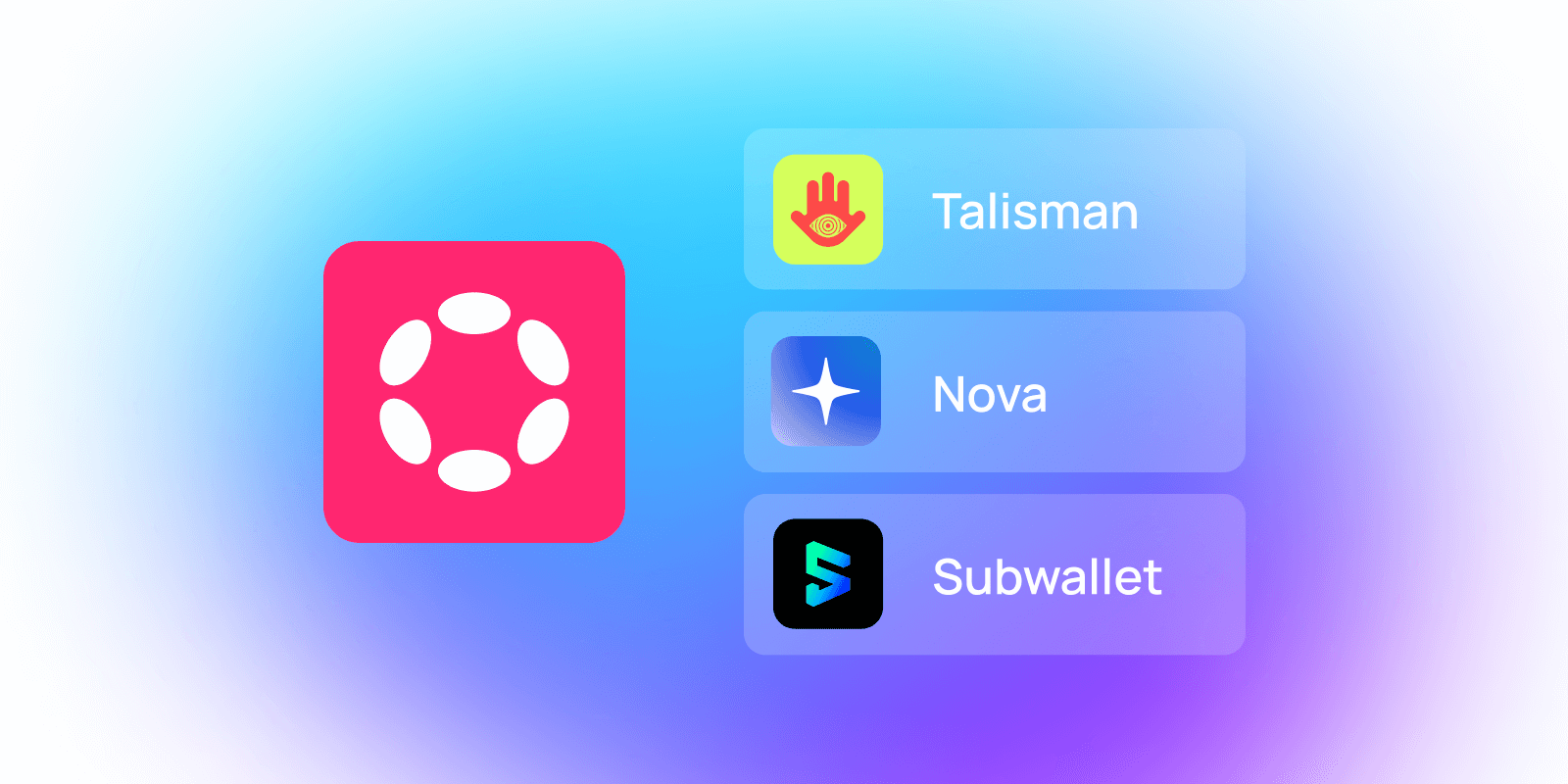
Ready to get started with Web3? Here’s how easy it is to get started:
- Choose and download a Polkadot wallet: This is your passport to the Polkadot network. Opt for a user-friendly wallet like Talisman, Nova Wallet, or SubWallet, or connect your Ledger wallet for extra security.
- Create your account name: Set up a unique account to begin your journey.
- Add DOT: Fund your wallet to start staking, interacting with dapps, and exploring the ecosystem.
With your wallet in hand, you're set to unlock the full potential of Web3, where you own your keys, your coins, your online identity, and your online freedom. The future is decentralized, and with your wallet, you hold the power to shape your digital destiny.
Ready to explore Polkadot and its vast ecosystem? Check out the full list of Polkadot Wallets and choose the one that best fits your needs. With a crypto wallet, you hold the keys to your digital future. It’s not just about managing your assets—it’s about taking control of your identity, your finances, and your freedom.